
The pandemic has challenged us as designers, to rise to the occasion and create better opportunities for interconnectivity in our future world. Without our physical studios, materials libraries, and in-person teams, our design processes shifted and our sources of inspiration have evolved.
In this episode of the Gensler Design Podcast, our Host David Calkins, Regional Managing Principal of Gensler APME sits with his guests, Neil Christopher, Gensler APAC Workplace and Technology Leader and Vignesh Kaushik, Regional Design Technology Director of Gensler Asia Pacific, Middle East & Greater China to discuss how work process has changed since last year and offer insights on how to stay plugged in to find design inspiration even amid these challenging times.
How has the Workplace Dynamic Shifted Since the Pandemic Outbreak?
The pandemic has exposed the office to competition from remote working, and brought up a host of questions about how it should be designed in the future. Let’s start with what the office is for.
In the past, it was a place for employees to get their work done, whatever form that took. Now other conceptions of its role jostle for attention. Some think of the office as the new offsite. Its purpose is to get people together in person so they can do the things that remote working makes harder: forging deeper relationships or collaborating in real time on specific projects.
Now we have an opportunity to rethink the physical workplace to offer a unique and fulfilling experience that can attract people, whether that’s through new technologies or new types of spaces.
How do we Leverage and Integrate Technology Effectively in a Rapidly Evolving Workplace?
The immediate future of the workplace is hybrid what this means for the workplace and for the people in the workplace is that technology is truly ubiquitous and seamless in such a way that people won't realize where the technology begins and where it ends.
Technology should become an enabler and not a hindrance to collaboration and creativity. The quality of the workspace is not just how the physical workspace is but also about how we integrate virtual and remote workers as well. Systems and network design is slowly becoming an integral part of the design of new workplaces and not just plastered add on.
Workspace of the future is also certainly becoming truly borderless what this means for business is we can share talent and resources from across the globe effectively the help of digital and communication tools. Having said that, no amount of technology can replace the need for physical human connection which is where great workplace design with an eye for digital integration becomes the key in ensuring employee health well-being, productivity and creativity.
Can the 'Metaverse' Redefine the Future of Workplace?
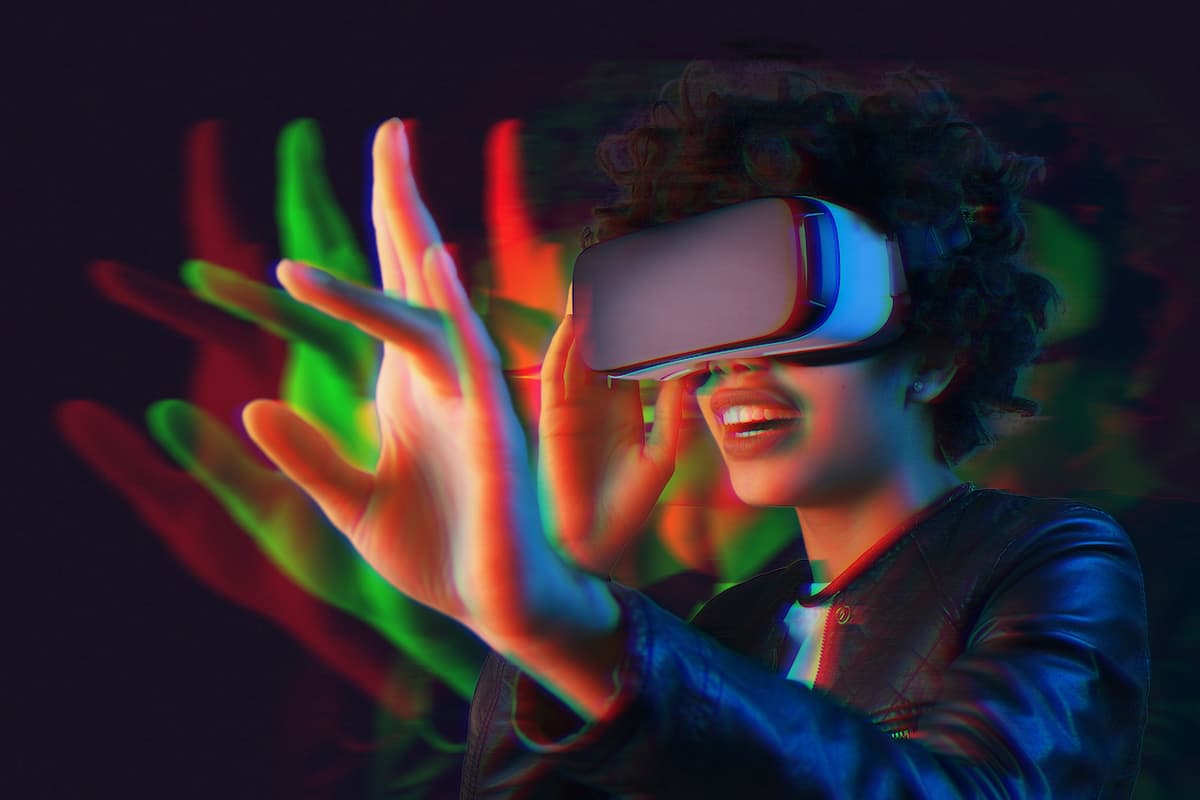
Metaverse was predominantly used to improve the quality of immersion in virtual reality environments. But in the past year or so we have witnessed a tremendous shift in the work culture with remote and hybrid workspaces becoming the new normal. The application of metaverse technology in improving work productivity creating interactive learning environments and facilitating virtual reality meetings.
Metaverse will help us push the concept of the hybrid workplace to its extreme by providing multiple choices with respect to work location and ways of working. It will help build a centralized digital work environment that will smoothen the transition between the physical and virtual spaces. It could make idea sharing and collaboration more effective and accessible than ever, participating in virtual meetings and contributing to discussions actively but by gaining a near physical experience.
In the not so distant future, we might have fully immersive social experiences within a digital twin of the workspace that enables remote workers to socialize and get to know each other. People can have virtual personas to be an extension of their physical ones or they could have the virtual personas to be completely different from the physical ones. It will certainly add to the fun and character of workplace dynamics.

Listen to the full conversation on the Gensler Design Podcast. Thanks for tuning in!